Introduction
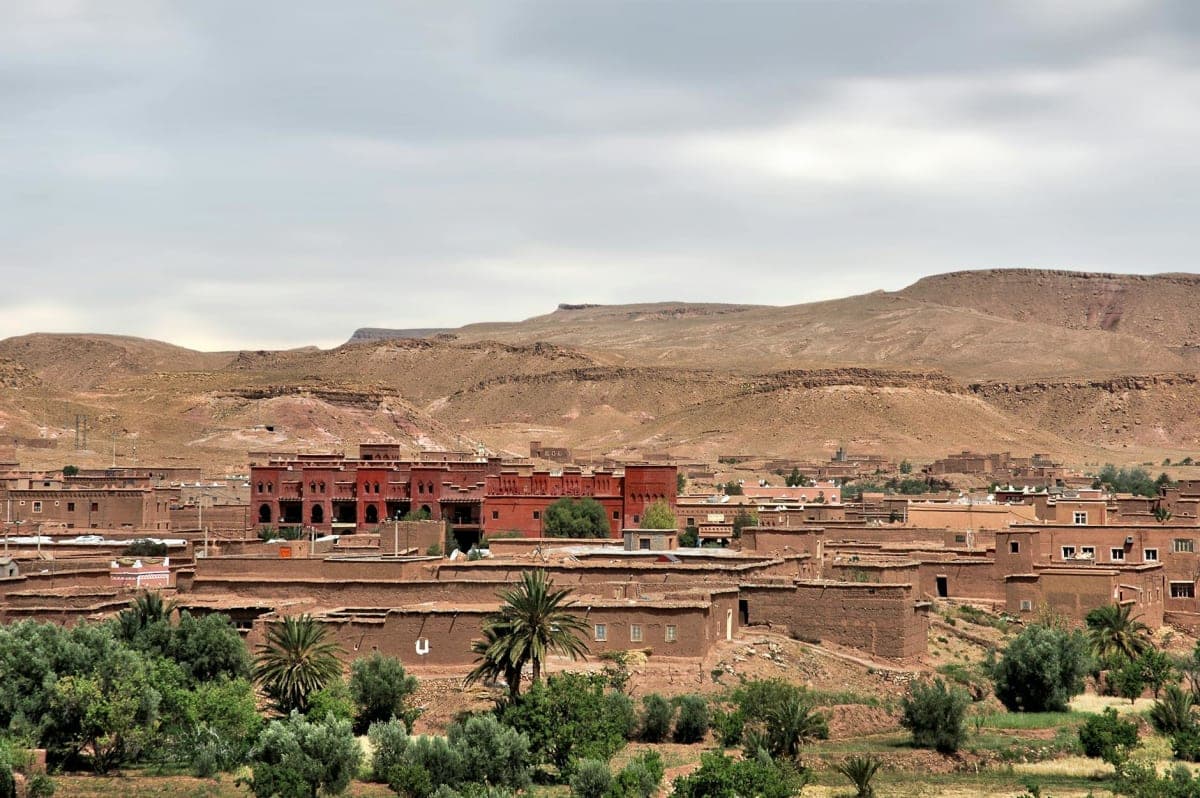
Welcome to the enchanting world of **Morocco**, a land where vibrant culture, rich history, and stunning landscapes come together to create an unforgettable travel experience. Nestled between the Mediterranean Sea and the Atlantic Ocean, with the majestic Atlas Mountains and the Sahara Desert as its backdrop, Morocco offers a unique blend of Arab, Berber, and French influences. This travel guide will take you through the highlights of this spectacular country, ensuring you make the most out of your Moroccan adventure.
Why Visit Morocco
Morocco is a destination that appeals to all types of travelers. Here’s why you should consider visiting:
- Diverse Landscapes: Experience everything from sandy deserts to lush mountains and bustling urban centers.
- Rich Culture: Immerse yourself in the vibrant traditions, arts, and crafts that define Moroccan life.
- Historical Significance: Explore ancient cities that tell tales of the past, including the legendary medinas and historic mosques.
- Exquisite Cuisine: Delight in Moroccan dishes that are an explosion of flavors, featuring fresh spices and local ingredients.
Best Cities to Explore
Marrakech

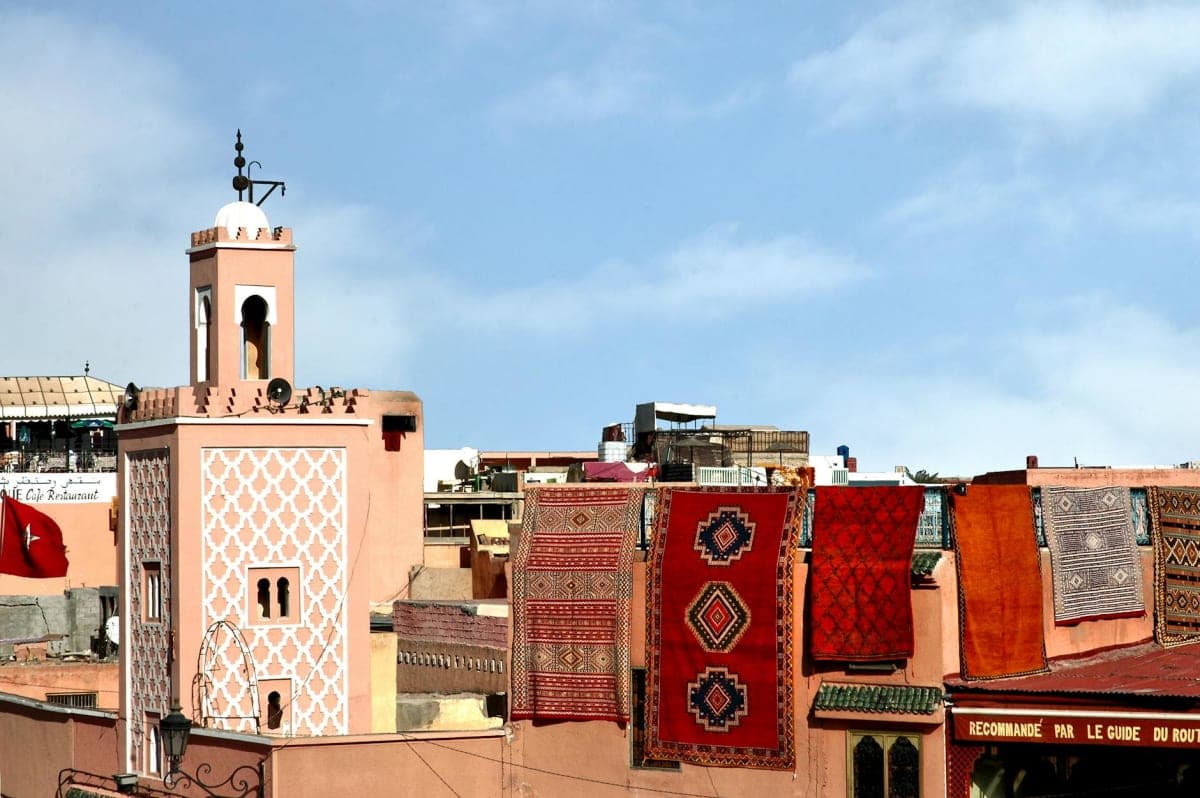
Often referred to as the "Red City," **Marrakech** is one of Morocco's most iconic destinations. Its bustling souks, stunning palaces, and vibrant gardens make it a must-visit city. The heart of Marrakech is the **Jemaa el-Fnaa**, a UNESCO World Heritage site, where the atmosphere is alive with snake charmers, street performers, and food stalls.
Must-visit attractions in Marrakech include:
- Koutoubia Mosque: The largest mosque in Marrakech, famous for its stunning minaret.
- Majorelle Garden: A beautiful garden filled with exotic plants, designed by French painter Jacques Majorelle.
- Bahia Palace: A 19th-century palace that showcases intricate Moroccan architecture and lush gardens.
Don’t miss out on shopping in the souks, where you can find handcrafted goods, textiles, and ceramics that make for perfect souvenirs.
Top Cultural Experiences
Morocco’s culture is a tapestry of traditions, showcased through various experiences. Here are some of the top cultural immersions to consider:

- Traditional Hammam Experience: Relax and rejuvenate at a traditional bathhouse, where you can enjoy aromatic steam and scrubs.
- Fes Tannery Tour: Witness the ancient techniques of leather-making in the Fes tanneries, where vibrant dyes and unique craftsmanship prevail.
- Berber Village Visit: Take a day trip to the Atlas Mountains and experience the hospitality of the Berber people, including traditional music and dance.
- Cultural Festivals: Plan your visit during events like the Marrakech Popular Arts Festival or the Fes Festival of World Sacred Music for an immersive cultural experience.
A Culinary Journey
When it comes to Moroccan cuisine, prepare your taste buds for an adventure. Moroccan dishes are well-known for their aromatic spices and fresh ingredients. Here are some must-try dishes:
- Couscous: A staple dish often served with vegetables, meat, or fish, flavored with a variety of spices.
- Tagine: Slow-cooked stews made in a traditional clay pot, with ingredients ranging from lamb to vegetables.
- Harira: A hearty soup made with tomatoes, lentils, and chickpeas, often served during Ramadan.
- Pastilla: A savory pie filled with pigeon or chicken, nuts, and spices, topped with powdered sugar and cinnamon.
Don't forget to sip on some traditional **mint tea**, a symbol of Moroccan hospitality, enjoyed by locals and visitors alike.
Practical Travel Tips
To ensure a smooth travel experience in Morocco, here are some practical tips:

- Dress Modestly: Respect the local culture by dressing conservatively, especially in rural areas and religious sites.
- Learn Basic Arabic Phrases: While many Moroccans speak French and English, learning a few Arabic phrases can enhance your interactions.
- Negotiate Prices: Bargaining is common in souks. Don’t hesitate to negotiate for a fair price on your purchases.
- Stay Hydrated: Especially in hot regions, keep hydrated and try to drink bottled water.
- Use Local Currency: The Moroccan Dirham (MAD) is the currency used. It’s advisable to carry cash, especially in smaller towns.
Best Time to Visit
The best time to visit Morocco largely depends on the regions you plan to explore:
- Spring (March to May): Ideal for pleasant weather and blooming landscapes.
- Autumn (September to November): Offers mild temperatures, perfect for hiking and outdoor activities.
- Summer (June to August): Can be extremely hot, especially in the desert regions, making it less favorable.
- Winter (December to February): While coastal cities remain mild, the Atlas Mountains can experience snow, offering skiing opportunities.
Conclusion
Morocco is a destination like no other, offering a rich tapestry of experiences that cater to every type of traveler. From the bustling streets of Marrakech to the serene landscapes of the Atlas Mountains, every corner of this fascinating country tells a story. As you embark on your journey through Morocco, embrace the culture, savor the cuisine, and create unforgettable memories that will last a lifetime. With this guide in hand, you're well-equipped to explore the wonders of Morocco and make the most of your travels.