Introduction
If you're planning a trip to Tripoli, Libya, you cannot miss the opportunity to visit the Arch of Marcus Aurelius. This stunning Roman triumphal arch stands as a symbol of the city’s rich history and architectural heritage. Erected in honor of the Emperor Marcus Aurelius, this monumental structure is not only a marvel of engineering but also a testament to the cultural influences that shaped Libya during the Roman era. In this guide, we will explore the history and significance of the Arch, what to see and do when you visit, and other essential information to enhance your visit.
History & Significance
The Arch of Marcus Aurelius was constructed in the 2nd century AD, during the height of the Roman Empire. This arch commemorates the military victories and achievements of Emperor Marcus Aurelius, a philosopher-king famously known for his work Meditations, which reflects his Stoic philosophy. Originally, the arch served as a monumental gateway to the city of Oea, the ancient name of Tripoli.
What makes the Arch particularly noteworthy is its intricate carvings and stunning architectural details, which embody the artistic style of the time. Unlike many of its contemporaries, this arch is uniquely preserved and provides visitors with insights into the artistic motifs and social themes of ancient Rome.
What to See & Do
Visiting the Arch of Marcus Aurelius offers a variety of experiences that cater to history buffs, photographers, and casual tourists alike. Here are some essential highlights:
- Admire the Architecture: The arch stands 15 meters high, and its intricate reliefs depict scenes of warfare, ceremonial processions, and mythological themes. Spend time examining these detailed engravings that tell stories of valor and glory from Roman times.
- Photography Opportunities: The stunning backdrop of Tripoli enhances the beauty of the arch, making it an excellent spot for photography. Capture dynamic shots of the arch illuminated by the golden sunset, or take close-ups of the unique carvings.
- Explore Nearby Sites: After marveling at the arch, take a leisurely stroll around the vicinity. The area is rich with other historical landmarks and local shops, which provide insights into Libyan culture and craftsmanship.
- Visit the Tripoli Medina: Just a short walk from the arch, the Medina is the perfect place to enjoy traditional Libyan food, shop for artisanal crafts, and immerse yourself in vibrant local culture.
- Join Guided Tours: Several local tour operators offer guided tours that include the Arch of Marcus Aurelius. These tours often provide detailed narratives about the arch's history and its importance in the context of ancient and modern Libya.
Essential Visitor Information
Before you set out to visit the Arch of Marcus Aurelius, consider the following practical information:
How to Get There
The Arch of Marcus Aurelius is centrally located in Tripoli and is easily accessible by various means of transportation:
- By Public Transit: Multiple buses and shared taxis from different parts of Tripoli can take you close to the arch. Look for routes indicating "Ras Al-Hilal" or "City Center".
- By Car: If you plan to rent a car, the arch's location is GPS-friendly. Parking may be available nearby, but street parking tends to be busy.
- On Foot: If you're staying in the vicinity, consider walking. The city's layout allows you to explore various sites conveniently while soaking in the local atmosphere.
Tickets and Timing
Visiting the Arch of Marcus Aurelius is generally free, but this can vary depending on local regulations or organized tours.
- Opening Hours: The arch is accessible to visitors at all hours, making it easy to include your visit in your itinerary, regardless of your schedule.
- Best Time to Visit: Early morning or late afternoon is ideal to avoid crowds and enjoy optimal lighting for photography.
Nearby Recommendations
While the Arch of Marcus Aurelius is a spectacular destination on its own, the surrounding area offers a wealth of attractions and activities worth exploring:
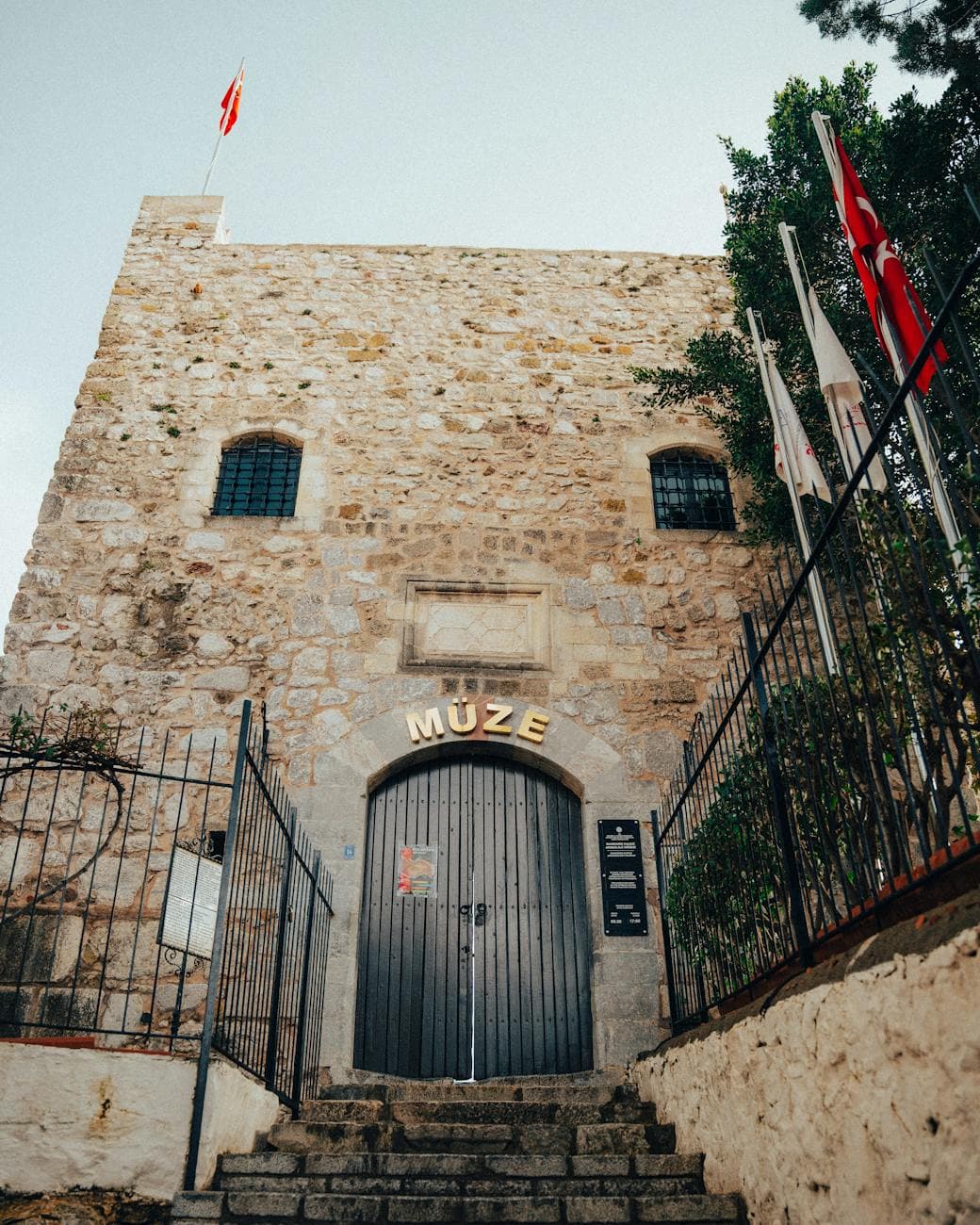
- Red Castle Museum (Assai Al-Hamra): Just a short walk from the arch, this museum is housed in a historic fortress and offers diverse exhibits on Libyan history and culture.
- The Tripoli Medina: Dive deeper into local life by wandering through the narrow streets of the Medina, where you can find souks (markets), traditional buildings, and local eateries.
- The National Museum of Libya: Located a bit further afield, this museum provides a comprehensive overview of Libya's ancient civilization, including Roman and Greek artifacts.
- Local Cafés and Restaurants: After your historical explorations, indulge in authentic Libyan cuisine at nearby cafés, where you can try local dishes like couscous and pies.
Visiting the Arch of Marcus Aurelius is an enriching experience that allows you to connect with Libya's historical narrative and cultural legacy. Make sure to capture the moment as you stand beneath this stunning piece of architecture that has stood the test of time.